
Introduction
Many people notice changes in their gums and immediately ask, “Why are my gums swollen?” This question is extremely common in the United States, especially when discomfort starts to interfere with brushing, flossing, or eating.
In most cases, gum swelling develops gradually. Because early irritation often feels mild, people tend to ignore it. Over time, however, inflamed or puffy gums usually signal that something in the daily routine needs attention.
Understanding why gums become swollen is the first step toward protecting long-term oral comfort. This educational article explains common causes, early warning signs, and natural ways to support healthier gums—without medical claims or promotional language.
What Does It Mean When Your Gums Are Swollen?
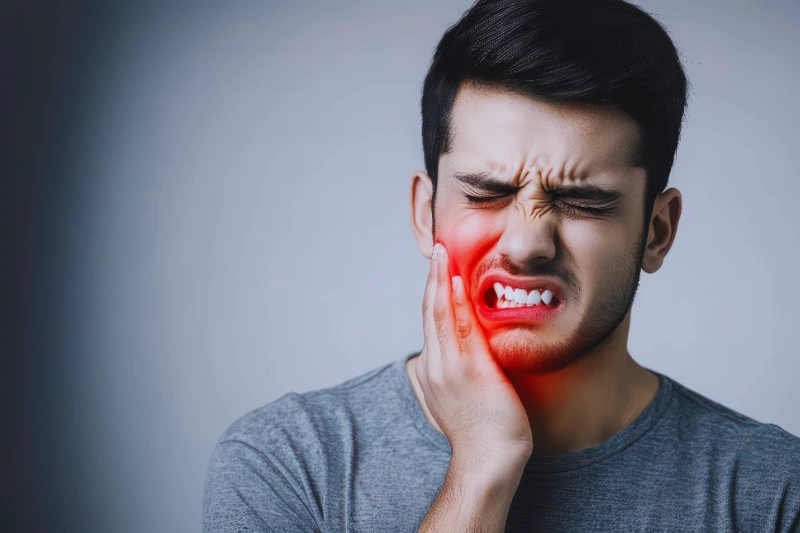
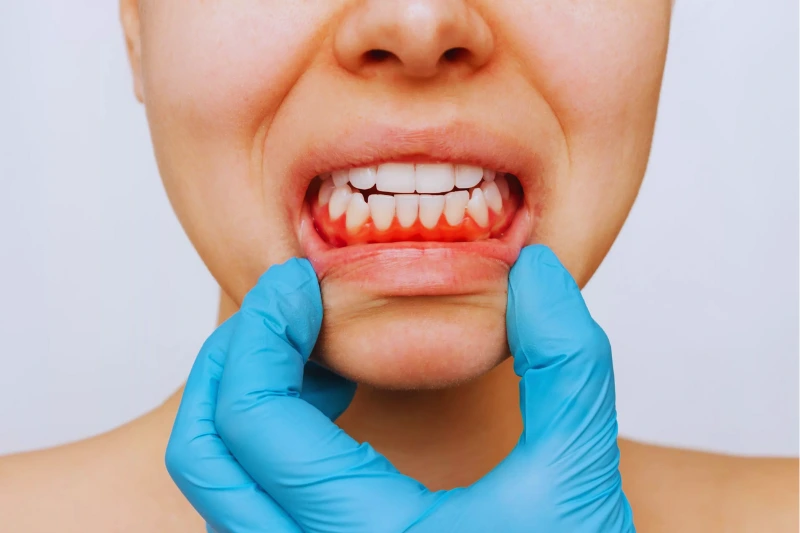
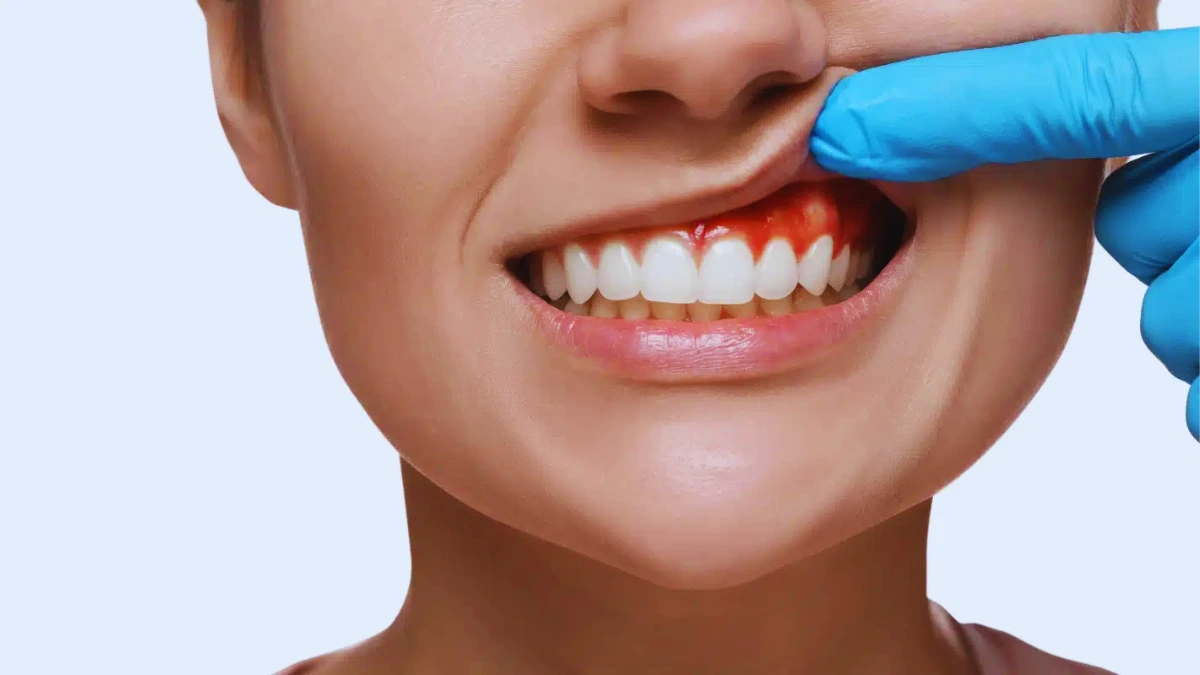
Swollen gums occur when the tissue surrounding the teeth becomes irritated or inflamed. Instead of fitting tightly around the teeth, the gums may appear puffy, red, or tender.
Healthy gums are typically firm and light pink. When swelling appears, it often means the tissue is reacting to plaque buildup, friction, or daily habits. In many situations, this response acts as a natural defense mechanism.
Although swollen gums may seem minor at first, persistent inflammation should not be overlooked.
Common Causes Behind Swollen Gums
If you’re wondering why your gums are swollen, the answer usually involves more than one factor. Several everyday habits and conditions may contribute.
Plaque Buildup and Gum Swelling
Plaque accumulation along the gumline is one of the most common reasons gums become inflamed. When plaque is not removed consistently, it irritates the surrounding tissue.
Inconsistent Oral Care Habits
Skipping flossing or brushing too quickly allows bacteria to remain near the gums. Over time, this increases sensitivity and swelling.
Diet and Lifestyle Factors That Affect Gums
Frequent sugar intake, acidic drinks, smoking, and alcohol use can disrupt the mouth’s natural balance. As a result, gum tissue becomes more vulnerable to irritation.
Hormonal Changes and Gum Sensitivity
Hormonal fluctuations caused by stress, pregnancy, or natural body changes can make gums more reactive and prone to swelling.
Physical Irritation From Brushing
Using too much pressure or stiff toothbrush bristles can damage delicate gum tissue. This often leads to redness, soreness, and puffiness.

Early Warning Signs That Explain Why Gums Swell
Swollen gums rarely appear without other warning signs. Paying attention early can prevent discomfort from worsening.
Common signs include:
- Puffiness along the gumline
- Red or darker-looking gums
- Bleeding during brushing or flossing
- Sensitivity when chewing certain foods
These symptoms often explain why gums feel swollen, even before pain becomes noticeable.
What Happens If Swollen Gums Are Ignored?
Ignoring gum swelling allows irritation to continue beneath the surface. Over time, discomfort often becomes more frequent and noticeable.
As inflammation persists, daily habits such as brushing or eating crunchy foods may feel uncomfortable. In some cases, gums may begin to feel sore more often or appear less firm.
Addressing early signs helps prevent long-term oral discomfort and supports better overall gum health.
How to Improve Swollen Gums Naturally
This article does not provide medical treatment. However, many people improve gum comfort through consistent, natural habits.
Improve Daily Oral Care for Swollen Gums
Gentle brushing twice a day and cleaning between teeth helps reduce buildup that irritates the gums.
Use Gentle Tools to Reduce Gum Irritation
Soft-bristled toothbrushes and light pressure protect sensitive gum tissue and reduce inflammation.
Nutrition That Supports Healthy Gums
A balanced diet with essential vitamins and minerals supports normal tissue function and overall oral balance.
Hydration and Gum Comfort
Drinking enough water helps maintain saliva flow, which supports a healthier mouth environment.
Supportive Daily Gum Care Products
Some people include non-medical oral care supplements as part of their routine. For example, ProvaDent is often mentioned in educational discussions related to daily gum support. These products are not treatments but may complement healthy habits.
When Professional Help Is Needed for Swollen Gums
Natural habits can help, but they are not always enough. If you continue asking why are my gums swollen, professional guidance may be necessary.
Seek help if:
- Swelling lasts longer than a few weeks
- Bleeding becomes frequent
- Gum discomfort worsens
- Eating or brushing becomes painful
A professional evaluation can help identify underlying causes.
Long-Term Prevention Tips to Avoid Swollen Gums

Preventing gum swelling depends on consistency and awareness.
Build Strong Daily Gum Care Habits
Consistent oral care routines reduce irritation and support healthier gums long term.
Monitor Changes in Gum Appearance
Early changes are easier to manage than long-standing discomfort.
Schedule Regular Oral Checkups
Routine visits help identify gum concerns before they progress.
Reduce Habits That Trigger Gum Swelling
Limiting sugar, smoking, and acidic beverages supports better gum balance.
Final Thoughts
If you’ve been asking yourself, “Why are my gums swollen?”, the answer often lies in everyday habits and early warning signs. While gum swelling is common, it should never be ignored.
By understanding why gum inflammation happens and supporting your gums with consistent care, you can protect long-term comfort and oral well-being.
Frequently Asked Questions (FAQ)
Why are my gums swollen even though I brush every day?
Plaque buildup, brushing too hard, or lifestyle factors can still cause irritation.
Is gum swelling always serious?
Not always, but persistent swelling should be addressed early.
Can food choices affect swollen gums?
Yes. Diet plays an important role in supporting healthy gum tissue.
How long does gum swelling usually last?
Mild swelling may improve with better habits. Ongoing swelling needs evaluation.
Can swollen gums be prevented?
In many cases, yes. Consistent care and regular checkups reduce risk.re and regular checkups reduce risk.
Leave a Reply