

What Is Gum Disease? Symptoms, Causes, and How to Protect Your Gums Naturally
Introduction: Understanding Gum Health Before Problems Start
Many people deal with gum issues at some point in life. However, few truly understand why these problems begin. In most cases, gum disease develops slowly, which makes early signs easy to ignore.
Even so, gum infections affect more than just appearance. Over time, they may impact comfort, confidence, and oral stability.
By learning how gum problems start and how to prevent them, you can protect your smile before serious damage occurs.
Understanding Gum Disease and Oral Inflammation
Gum disease is a condition that affects the soft tissues surrounding the teeth. It begins when harmful bacteria build up along the gumline and cause irritation.
At first, this inflammation may seem minor. However, without proper care, it can progress and weaken the structures that support the teeth. This is why early awareness matters.
The Stages of Gum Disease Explained
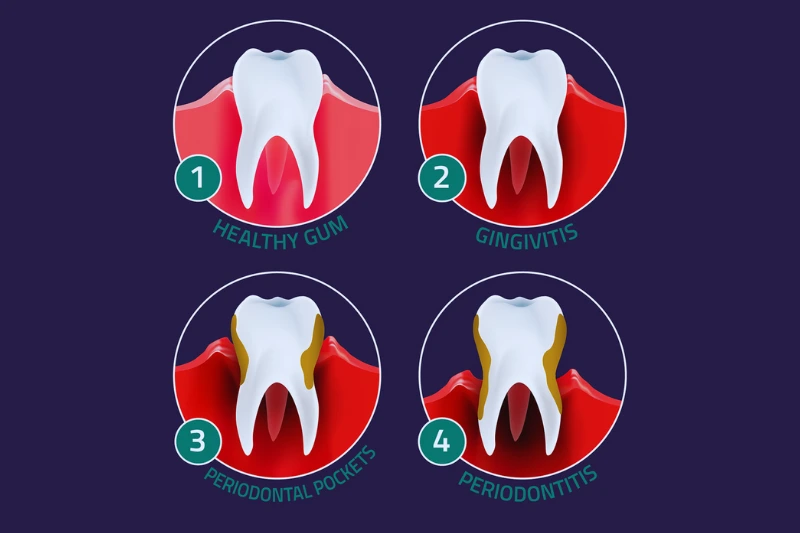
Gum problems usually develop in stages. Knowing these phases helps you recognize issues sooner.
Gingivitis: The Early Stage
Gingivitis is the mildest and most common form of gum inflammation.
Typical signs include:
- Red or swollen gums
- Bleeding during brushing or flossing
- Persistent bad breath
At this point, no permanent damage has occurred. With consistent daily care, gums often return to a healthy state.
Periodontitis: Advanced Gum Problems
When gingivitis goes untreated, it may progress to periodontitis.
During this stage:
- Gums begin to pull away from the teeth
- Bacteria spread below the gumline
- Bone support may weaken
At this level, professional care becomes necessary to prevent further damage.
Common Causes of Gum Problems
Several everyday factors contribute to gum disease, especially when combined.
Plaque Buildup and Bacteria
Plaque forms naturally on teeth every day. If it is not removed, bacteria multiply and irritate the gums, leading to inflammation.
Poor Oral Care Habits
Inconsistent brushing or skipping flossing allows bacteria to thrive. As a result, gums become sensitive and prone to bleeding.
Lifestyle and Health Factors
Other contributors include:
- Smoking or vaping
- High stress levels
- Poor nutrition
- Hormonal changes
Each of these factors weakens the body’s ability to manage inflammation.
Warning Signs You Shouldn’t Ignore
Gum disease often starts without pain. Because of this, many people overlook early symptoms.
Watch for:
- Bleeding gums
- Swelling or tenderness
- Receding gumline
- Ongoing bad breath
Recognizing these signs early can help prevent long-term complications.
What Happens If Gum Disease Is Left Untreated?
Without proper care, gum inflammation can worsen over time.
As infection spreads, gums lose their ability to support the teeth. Eventually, this may lead to sensitivity, loose teeth, or tooth loss. In addition, chronic inflammation may affect overall wellness.
How to Protect Your Gums Naturally
Fortunately, prevention starts with simple habits.
Daily Oral Care Essentials
- Brush gently twice a day
- Floss once daily
- Use an alcohol-free mouthwash
- Drink plenty of water
Together, these habits reduce harmful bacteria and support gum health.
Nutrition and Gum Health
A balanced diet plays a major role in oral wellness. Vitamins and minerals help strengthen gum tissue, while excess sugar feeds harmful bacteria.
Eating well supports both gum health and immune function.
Natural Support for Oral Balance
Beyond brushing and flossing, some people look for additional support.
Certain oral supplements focus on maintaining a healthy balance of bacteria in the mouth. When used alongside daily hygiene, they may support gum comfort.
Products like ProvaDent are sometimes included in oral care routines as complementary support, not as treatment.
When to Seek Professional Help
While home care works well in early stages, some situations require professional evaluation.
Consider seeking help if:
- Bleeding lasts for weeks
- Gums visibly recede
- Teeth feel loose
- Swelling worsens
Early care helps prevent irreversible damage.
Can Gum Disease Improve Over Time?
This depends on the stage.
Early gum inflammation often improves with consistent oral care. Advanced gum damage, however, requires ongoing management rather than reversal. That is why early action is essential.
Long-Term Gum Care Tips
Healthy gums rely on consistency.
Smart long-term habits include:
- Regular dental cleanings
- Avoiding tobacco
- Managing stress
- Maintaining daily oral hygiene
Small actions, repeated daily, make a lasting difference.
Final Thoughts: Why Gum Health Matters

Gum disease is common, but it is not inevitable. With awareness, proper care, and early action, most people can protect their gums effectively.
Healthy gums support strong teeth, confident smiles, and long-term oral wellness. port oral balance when used alongside daily hygiene.
FAQ – Gum Disease Explained
What causes gum disease?
It usually develops from plaque buildup and bacterial irritation.
Is gum disease common in adults?
Yes, many adults experience some stage of gum inflammation.
Can early gum problems improve?
Yes, early stages often respond well to consistent care.
Do oral supplements help gums?
Some supplements may support oral balance when used alongside daily hygiene.


Leave a Reply