

Why Do My Gums Bleed? Common Causes, Simple Solutions, and What You Can Do Today
Introduction: Why Do My Gums Bleed When I Brush or Floss?
If you’ve ever noticed blood in the sink after brushing or flossing, you’re not alone. Many Americans ask the same question: why do my gums bleed, even when they don’t feel pain?
Bleeding gums are common. However, they are not normal. In most cases, they signal that something is irritating your gum tissue. Fortunately, the cause is often simple and manageable.
In this article, you’ll learn what bleeding gums mean, what usually causes them, and what practical steps you can take today to protect your oral health.
Why Do My Gums Bleed? Understanding the Basics
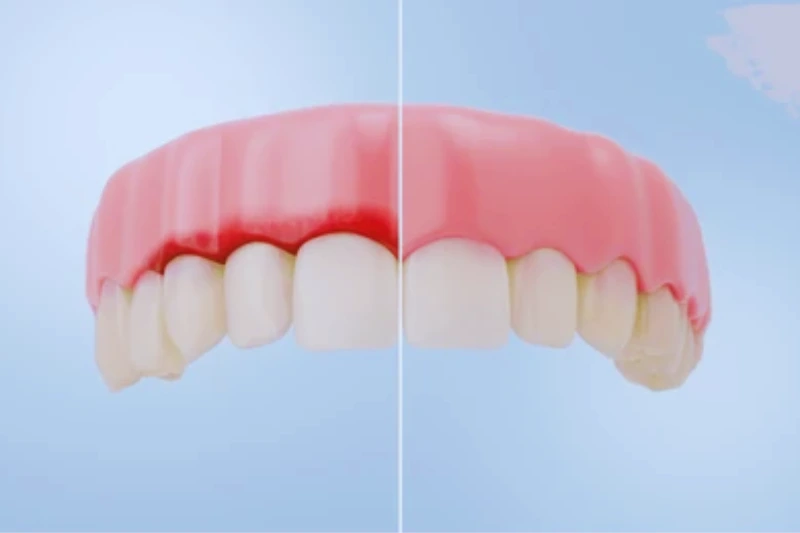
Bleeding gums usually happen when gum tissue becomes inflamed or irritated. This inflammation makes gums sensitive and more likely to bleed during brushing or flossing.
Most of the time, the problem starts quietly. You may not feel pain at first. Still, bleeding is your body’s way of asking for attention.
Therefore, understanding the root cause is the first step toward solving the problem.
Plaque Buildup: A Leading Reason Why Gums Bleed
One of the most common answers to why do my gums bleed is plaque buildup.
Plaque is a sticky film of bacteria that forms on teeth every day. If it’s not removed regularly, it hardens into tartar. As a result, bacteria begin to irritate the gums.
Eventually, gums become red, swollen, and prone to bleeding.
How Plaque Affects Gum Health
- Irritates gum tissue
- Triggers inflammation
- Weakens the gum-tooth connection
Because of this, consistent oral hygiene is essential.
Gingivitis: An Early Warning Sign
Another frequent cause of bleeding gums is gingivitis, the earliest stage of gum disease.
Gingivitis develops when plaque stays on teeth too long. The good news? At this stage, the condition is usually reversible.
Signs of Gingivitis
- Bleeding during brushing or flossing
- Red or swollen gums
- Persistent bad breath
If ignored, however, gingivitis may progress into more serious gum problems.
Brushing Too Hard Can Make Gums Bleed
Surprisingly, aggressive brushing can also explain why your gums bleed.
Many people believe brushing harder cleans better. In reality, it can damage delicate gum tissue.
Instead, gentle brushing with a soft-bristled toothbrush works more effectively and safely.
Flossing After a Long Break: Is Bleeding Normal?
If your gums bleed when you start flossing again, don’t panic.
When gums aren’t used to flossing, they may bleed at first. However, this bleeding should stop within a few days of consistent flossing.
If it continues, though, it may indicate underlying gum inflammation.
Vitamin Deficiencies and Bleeding Gums
Sometimes, the answer to why do my gums bleed has nothing to do with brushing habits.
Low levels of certain vitamins can weaken gum tissue.
Vitamins That Support Healthy Gums
- Vitamin C (supports tissue repair)
- Vitamin K (helps blood clotting)
A balanced diet often makes a noticeable difference.
Hormonal Changes and Gum Sensitivity
Hormonal fluctuations can also increase gum sensitivity.
This is especially common during:
- Pregnancy
- Menopause
- Puberty
During these times, gums may bleed more easily, even with good oral care.
Stress and Its Impact on Gum Health
Stress affects more than your mood. It can also weaken your immune system.
When that happens, your body struggles to fight gum inflammation. As a result, bleeding becomes more likely.
Managing stress, therefore, plays a role in protecting your gums.
Simple Daily Habits That Help Stop Bleeding Gums

Fortunately, small daily changes can lead to big improvements.
Practical Steps You Can Start Today
- Brush twice daily with a soft brush
- Floss gently once a day
- Rinse with a mild, alcohol-free mouthwash
- Drink plenty of water
Over time, these habits help gums heal naturally.
Natural Support for Gum Health
Beyond brushing and flossing, many people look for additional support.
Natural oral health supplements can help maintain a balanced oral environment. Some are designed to support healthy bacteria levels in the mouth.
For example, ProvaDent is often mentioned as a daily oral support option. It’s not a treatment, but it may help support gum and tooth health as part of a complete routine.
When Bleeding Gums Should Not Be Ignored
Although bleeding gums are common, persistent bleeding is not something to overlook.
You should seek professional advice if:
- Bleeding lasts more than two weeks
- Gums pull away from teeth
- Teeth feel loose
- Pain or swelling worsens
Early action can prevent long-term damage.
Why Do My Gums Bleed Even With Good Oral Hygiene?
This is a common and frustrating question.
Sometimes, bleeding happens despite good habits due to hidden plaque, stress, or nutritional gaps. In these cases, small adjustments can still make a difference.
Consistency matters more than perfection.
Long-Term Prevention: Protecting Your Gums for Life
Healthy gums require ongoing care.
Smart Long-Term Strategies
- Maintain routine dental cleanings
- Eat a nutrient-rich diet
- Avoid tobacco products
- Stay consistent with daily oral care
Because gum health affects overall health, prevention is always worth the effort.

Final Thoughts: Why Do My Gums Bleed and What Should I Do?
So, why do my gums bleed?
In most cases, the cause is simple: plaque, irritation, or inflammation. The solution often starts with better daily habits and early attention.
With gentle care, proper nutrition, and supportive routines, many people see noticeable improvement in just weeks.
FAQ – Why Do My Gums Bleed?
Why do my gums bleed when I brush?
Usually due to plaque buildup or brushing too hard.
Why do my gums bleed when I floss?
If you’re new to flossing, mild bleeding is common at first.
Are bleeding gums serious?
They can be an early warning sign and should not be ignored.
Can supplements help bleeding gums?
Some oral health supplements may support gum balance when combined with good hygiene.


Leave a Reply